
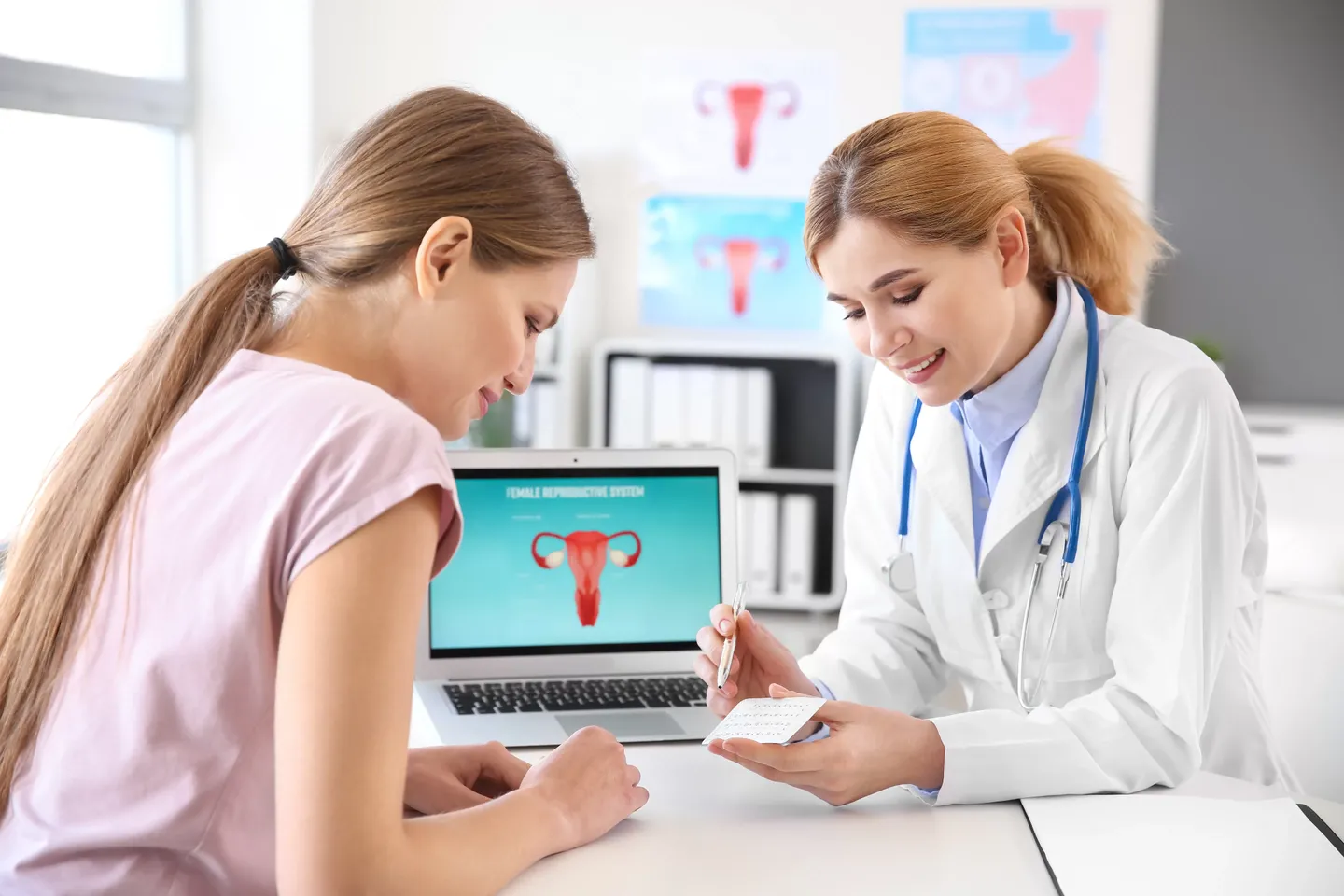
Polycystic ovary syndrome (PCOS) and menstrual disorders can affect women at different stages of life, sometimes appearing as irregular periods, painful bleeding, skipped cycles, or changes linked to hormonal imbalance. Understanding the reason behind these symptoms is important because menstrual changes can have several causes. A gynecology specialist evaluates symptoms, health history, reproductive goals, and relevant investigations to create an appropriate management approach.
Understanding PCOS and Menstrual Disorders
PCOS is a hormonal condition commonly associated with irregular or absent periods, excess androgen activity, acne, unwanted hair growth, and difficulties with ovulation. Symptoms vary between individuals. Some mainly experience cycle irregularity, while others have metabolic or fertility concerns.
Menstrual disorders include irregular cycles, unusually heavy bleeding, painful periods, missed periods, or changes from a woman's usual pattern. Hormonal changes, thyroid disorders, PCOS, endometriosis, fibroids, lifestyle factors, and certain medicines can contribute. Persistent symptoms should be evaluated rather than assumed to be normal.
Starting With a Detailed Evaluation
Management begins with understanding what is happening and why. During a consultation, a doctor may ask about cycle length, bleeding patterns, pelvic discomfort, acne, changes in body hair, weight changes, previous conditions, medications, and pregnancy or fertility plans.
Keeping a record of period dates, duration, flow, pain, and other symptoms can make consultations more informative. Doctors may also consider lifestyle factors such as nutrition, physical activity, sleep, and stress.
Depending on symptoms, clinical evaluation may be supported by laboratory testing or imaging. Hormonal evaluation can help assess possible endocrine causes, while ultrasound may be used when appropriate to evaluate reproductive organs and support assessment of conditions such as PCOS or other causes of abnormal bleeding.
Creating an Individualised PCOS Management Plan
There is no single treatment approach that suits every woman with PCOS. Management is shaped by symptoms, age, overall health, and whether pregnancy is currently desired.
Lifestyle measures can form an important part of care. A balanced eating pattern, regular physical activity, adequate sleep, and sustainable weight management may support metabolic health and menstrual regularity. These measures should be personalised.
Medicines may also be considered when clinically appropriate. Depending on individual needs, treatment may aim to regulate menstrual cycles, manage androgen-related symptoms, support metabolic health, or address fertility goals. Hormonal treatments can sometimes be used for cycle regulation and symptom control, while other medicines may be considered for specific metabolic or reproductive concerns.
For women planning pregnancy, management may focus on ovulation and fertility. The strategy can change as reproductive goals change. Follow-up allows doctors to assess progress and modify the plan.
Managing Irregular Periods
Irregular periods should not automatically be attributed to PCOS. A careful evaluation helps distinguish PCOS from other possible causes. Thyroid disorders, stress, significant changes in weight, certain medications, reproductive health conditions, and other hormonal disturbances can influence menstrual cycles.
A gynec hospital may provide access to gynecology, endocrinology, radiology, and related services when symptoms require broader assessment. This approach can be useful when menstrual irregularity overlaps with hormonal or metabolic concerns.
Treatment for abnormal periods depends on the underlying cause. Some women may need hormonal management, while others may benefit from treatment directed at an identified condition. The goal is not simply to make a cycle appear regular, but to understand the reason for the disturbance and manage it appropriately.
Addressing Heavy or Painful Menstruation
Heavy bleeding can interfere with daily activities and may contribute to tiredness or iron deficiency. Painful periods can also affect work, education, sleep, and quality of life. Severe, persistent, or worsening symptoms deserve medical attention.
Doctors may review the timing and severity of bleeding, associated pain, medication history, and other symptoms. Depending on the suspected cause, investigations such as ultrasound may help assess the uterus and ovaries. Conditions including fibroids, endometriosis, and hormonal disorders may require different management approaches.
Treatment can range from medication and lifestyle measures to procedures or surgery when clinically indicated.
Considering Different Life Stages
Menstrual health changes throughout a woman's life. Adolescents may experience cycle irregularity as their reproductive system matures, but persistent or concerning symptoms should still be evaluated. PCOS can begin around adolescence, making age-appropriate assessment important when symptoms suggest a hormonal disorder.
During reproductive years, menstrual health may connect with contraception, fertility, and pregnancy planning. Later, perimenopause and menopause can change bleeding patterns and require evaluation.
Healthcare for younger patients may also involve coordination with pediatrician doctors when hormonal or developmental concerns arise before adulthood. The aim is to consider symptoms in the context of age and stage of development.
Why Follow-Up Matters
PCOS and menstrual disorders can change over time. A treatment plan that works during one stage of life may need adjustment later. Regular follow-up helps track symptoms, treatment response, menstrual patterns, and changing reproductive goals.
Follow-up is useful when symptoms persist despite initial management. It also provides an opportunity to discuss new concerns, review investigations, and make appropriate changes under medical guidance. Self-medication or repeatedly changing treatments without professional advice can make it harder to understand what is helping.
When Should You Seek Medical Advice?
Medical evaluation is worth considering when periods become consistently irregular, bleeding becomes unusually heavy, pain is severe, periods stop unexpectedly, or symptoms such as acne, excess hair growth, unexplained weight changes, or fertility difficulties occur alongside cycle changes.
Urgent attention may be needed for very heavy bleeding, severe pelvic pain, fainting, or symptoms that feel sudden or unusually intense.
A Personalised Approach to Women's Menstrual Health
Managing PCOS and menstrual disorders requires understanding their underlying causes and individual symptoms. A gynecology specialist can evaluate menstrual changes, hormonal concerns, reproductive goals, and related health factors to recommend appropriate care. With timely assessment, personalised treatment, and regular follow-up, women can better manage symptoms and make informed decisions about their menstrual and reproductive health.
With a patient-focused approach, experienced specialists, and comprehensive medical support, Ankura Hospitals offers specialised women’s healthcare through multidisciplinary teams and dedicated services for gynecology, menstrual disorders, adolescent gynecology, endocrinology, radiology, fertility, minimally invasive procedures, menopause, pregnancy, and postnatal care. Its wider network also provides pediatric, neonatal, maternity, and fertility services, supporting women and children with coordinated care across different stages of life, with expert guidance and personalised care for patients.